
Field notes · Mercer Botanic Gardens
Two visits, plenty to talk about
Our first visit to Mercer Botanic Gardens started with a little outreach and turned into a really nice afternoon.
View all 20 photos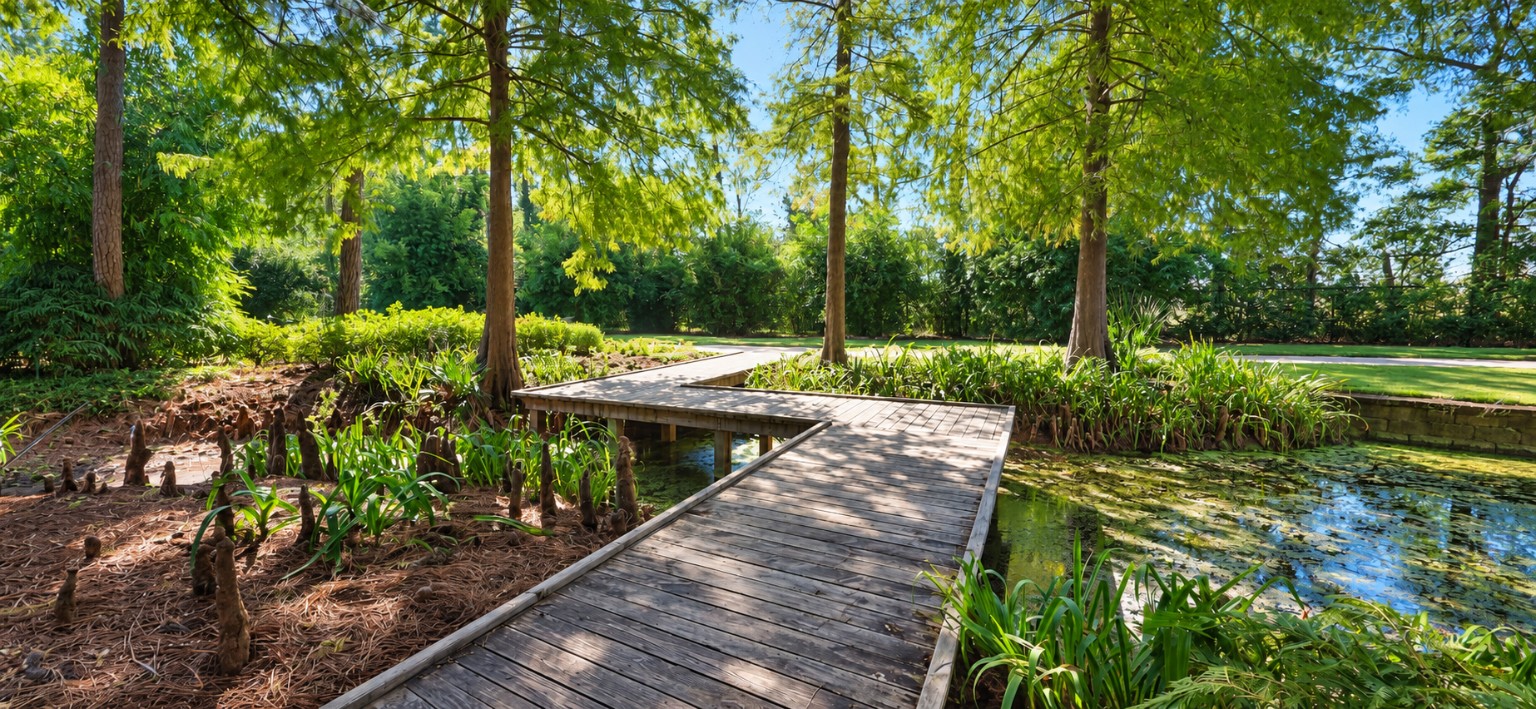
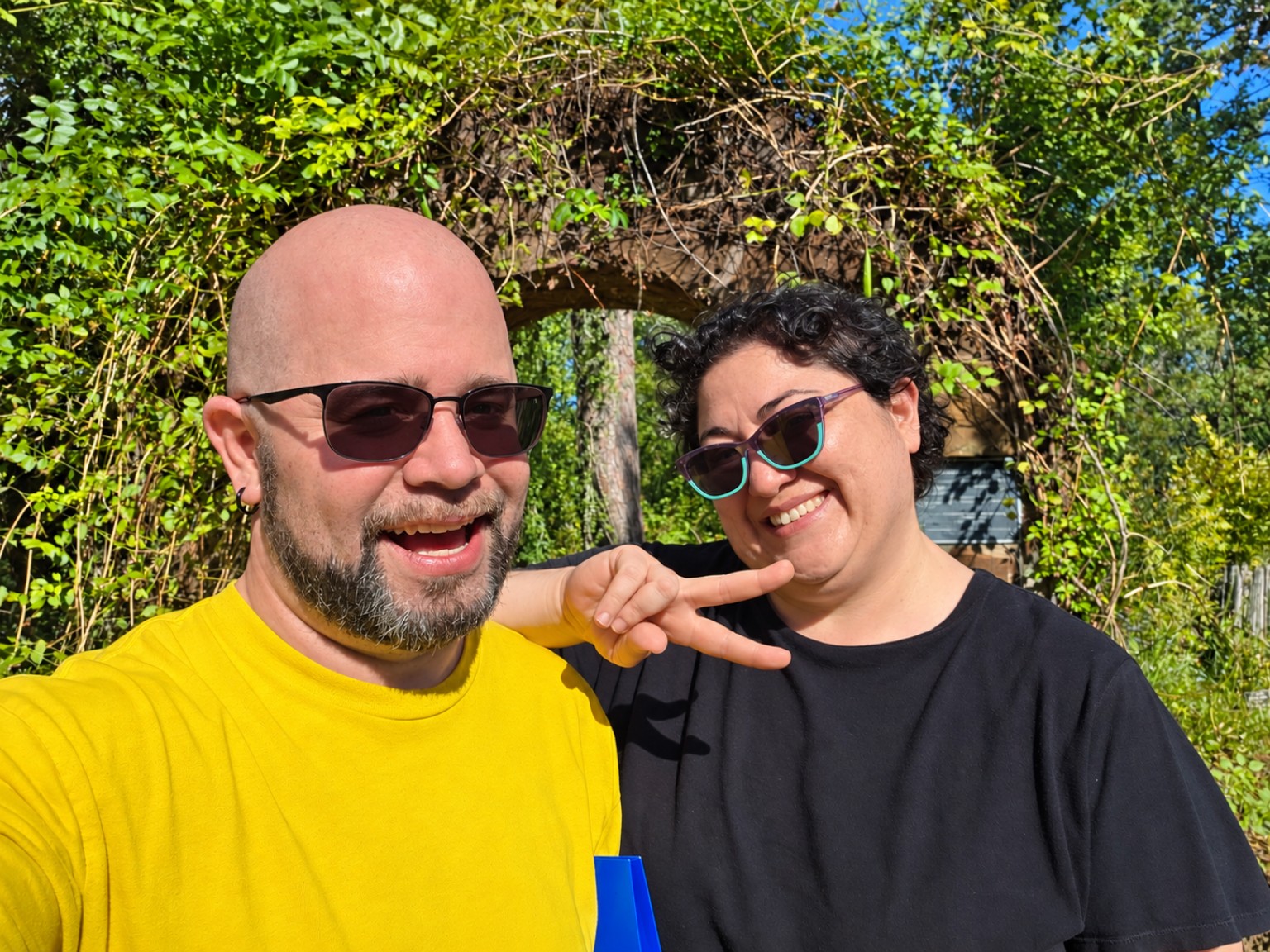
Kelly and I went on October 17, hoping to introduce Texas Hog Dispatch and share some information. The office staff we needed weren’t available that weekend, but we met a volunteer with the Master Gardeners, who work with Texas A&M AgriLife Extension.
She told us about their programs and the work they do. From there, we started talking about our business, our research, and what we’re trying to accomplish. She thought it was a lovely idea and took some of our one-pagers to share with her group. Another visitor asked about eating wild hogs, which led to a conversation about the precautions involved.
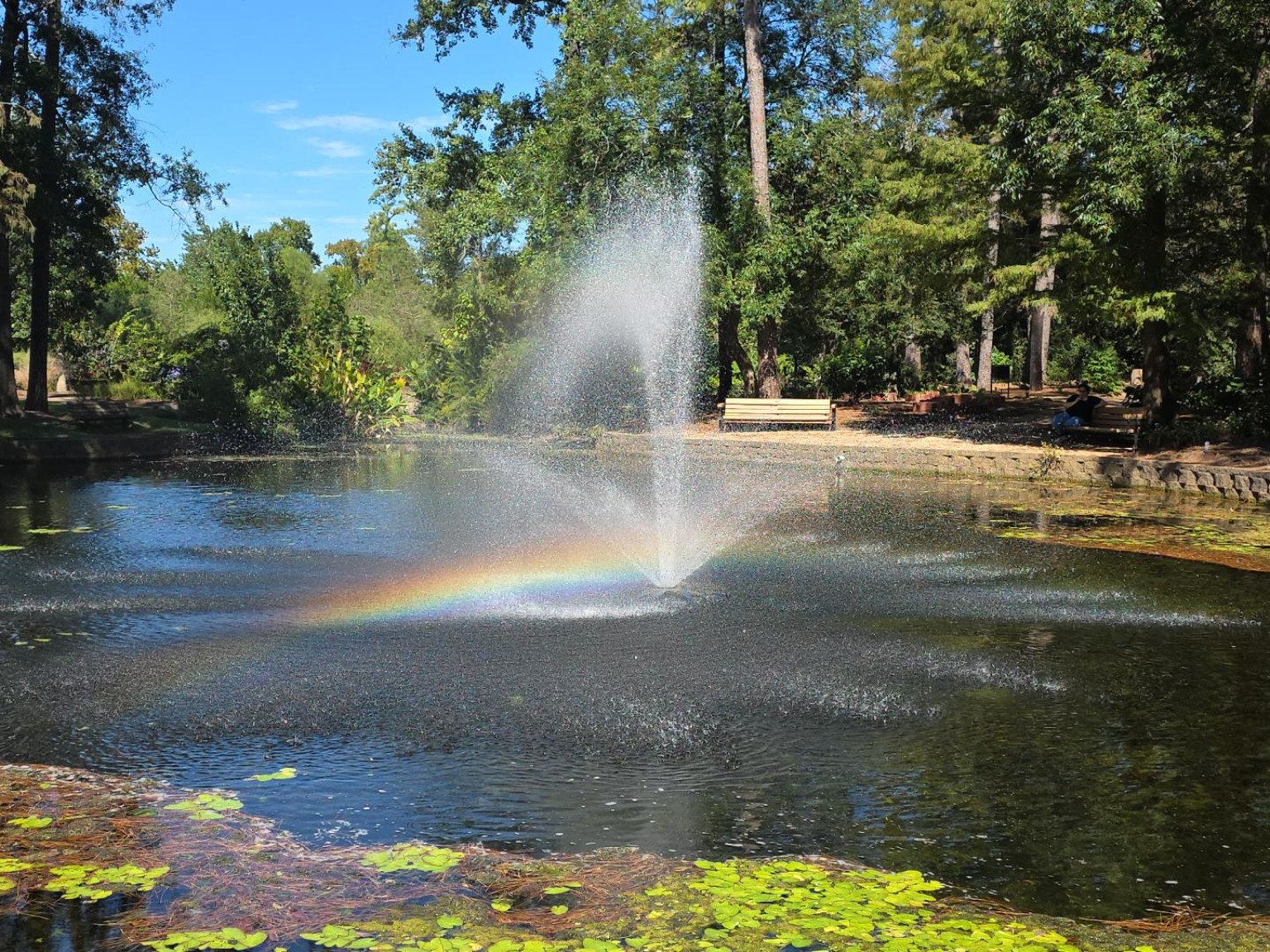
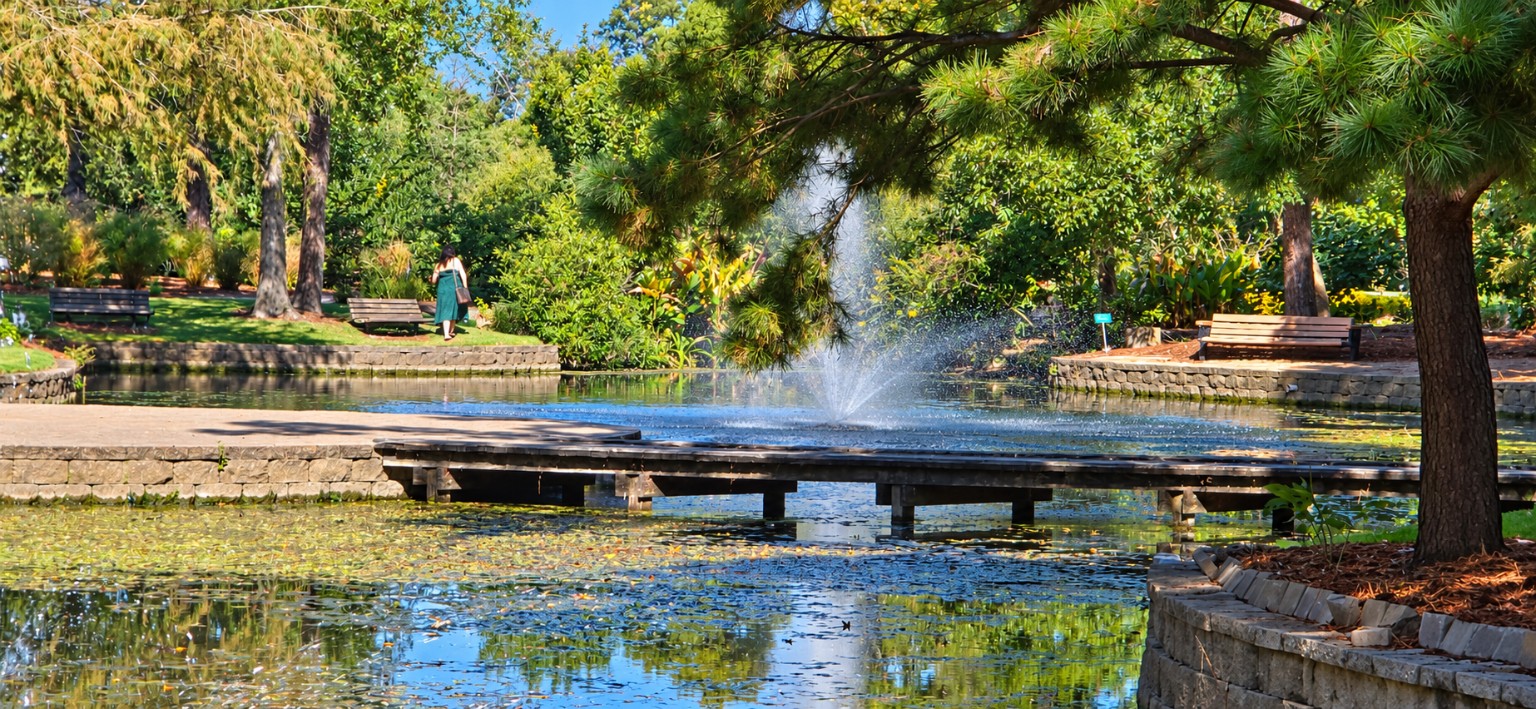
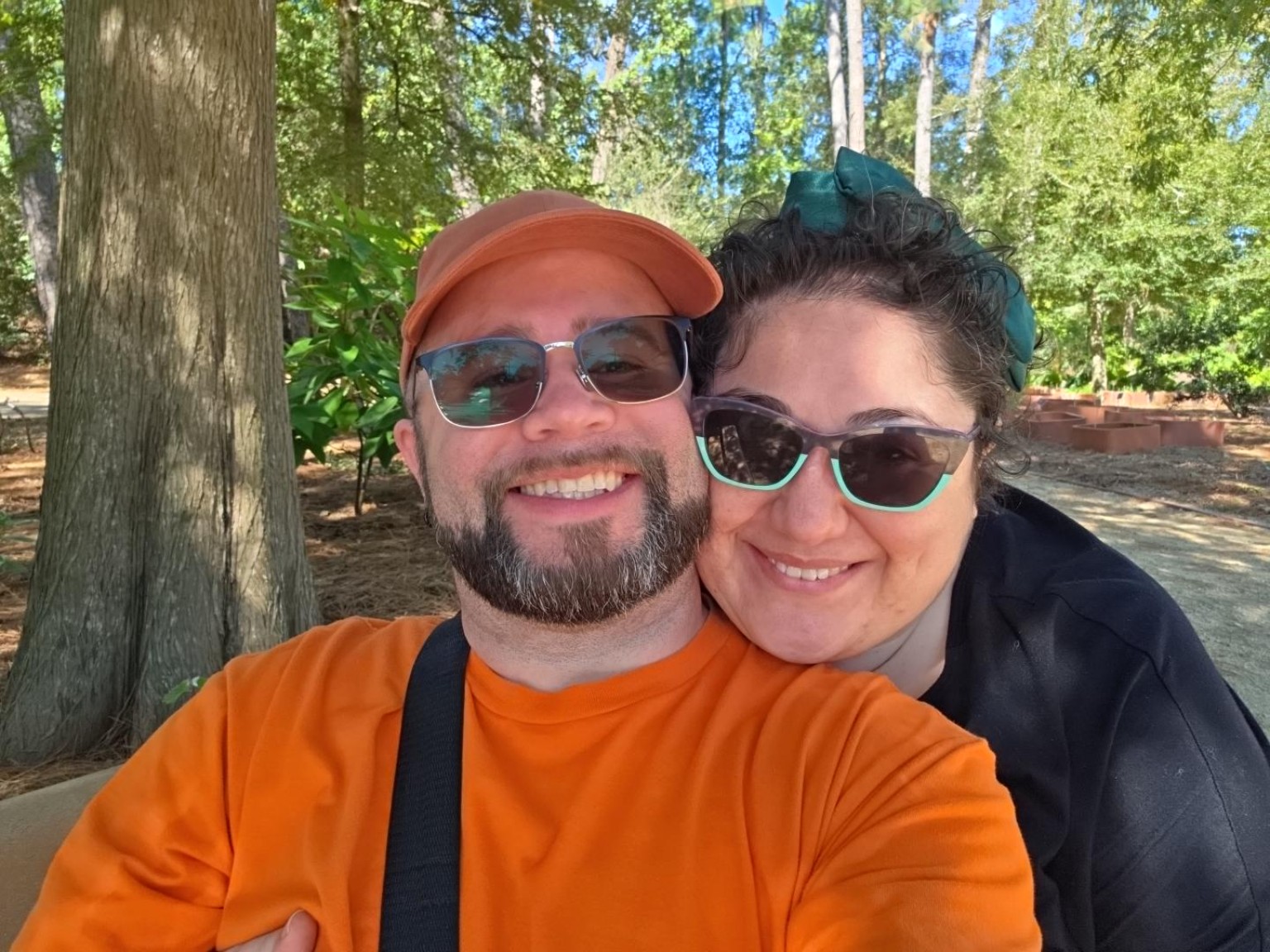
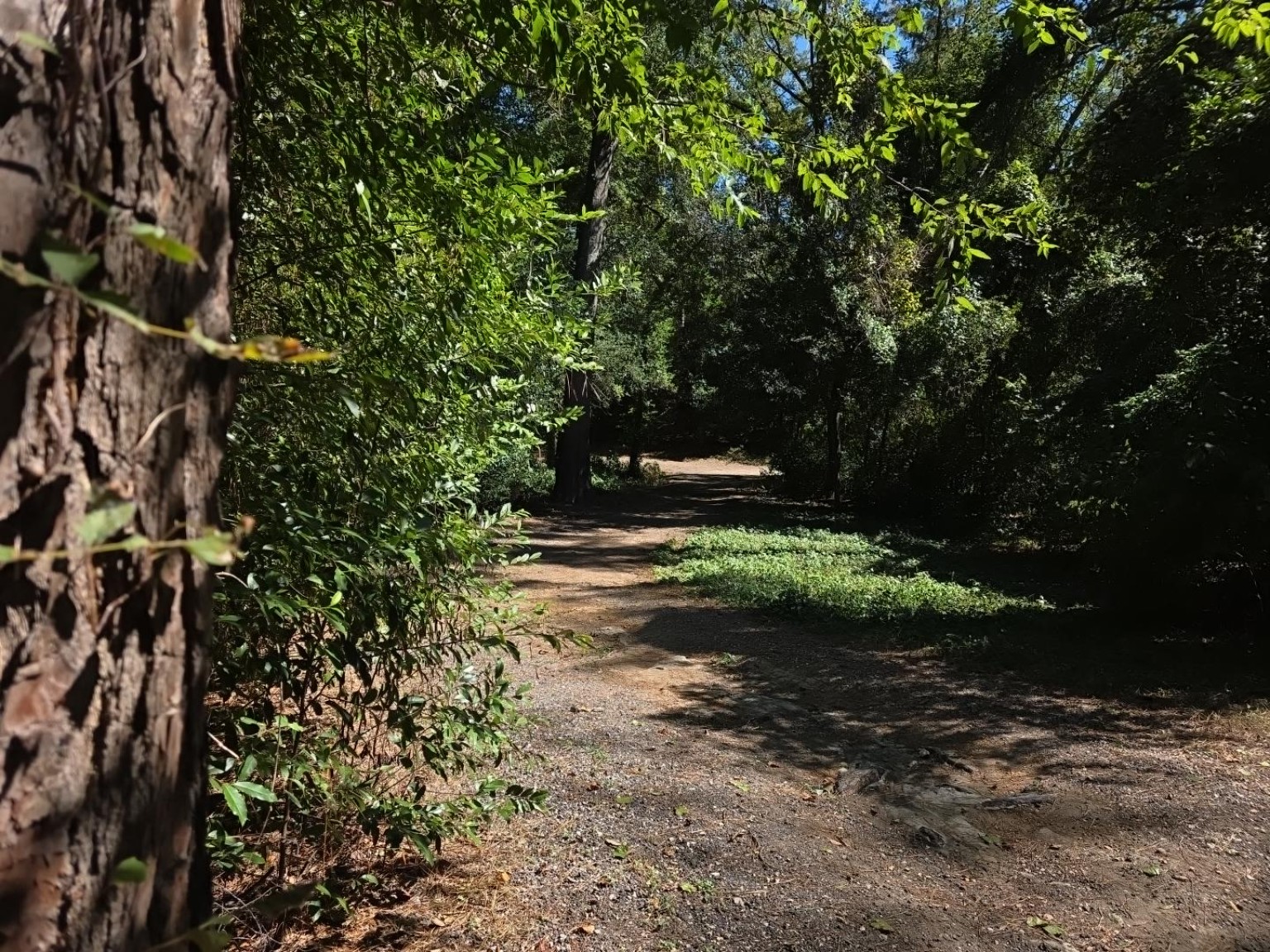
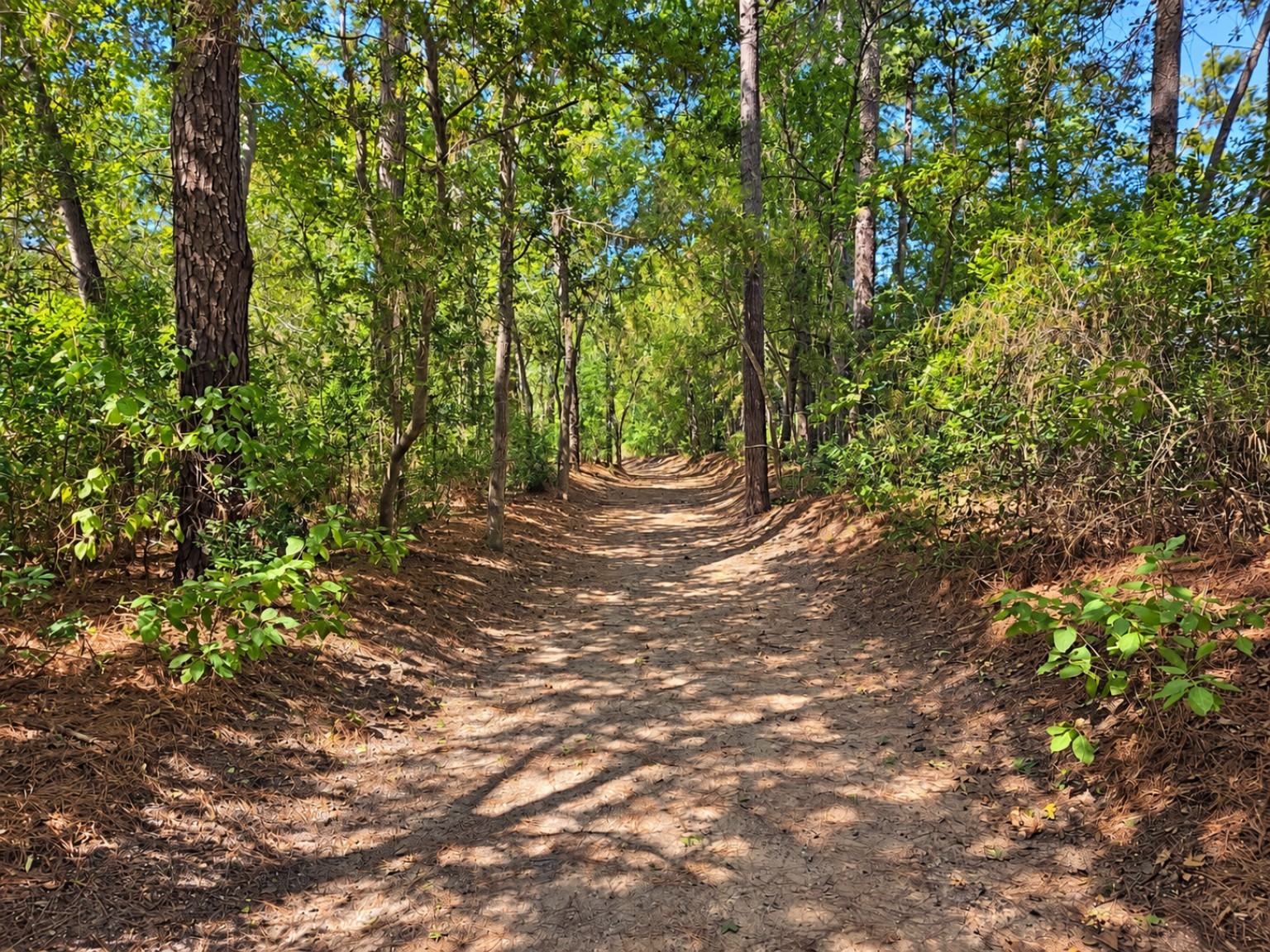
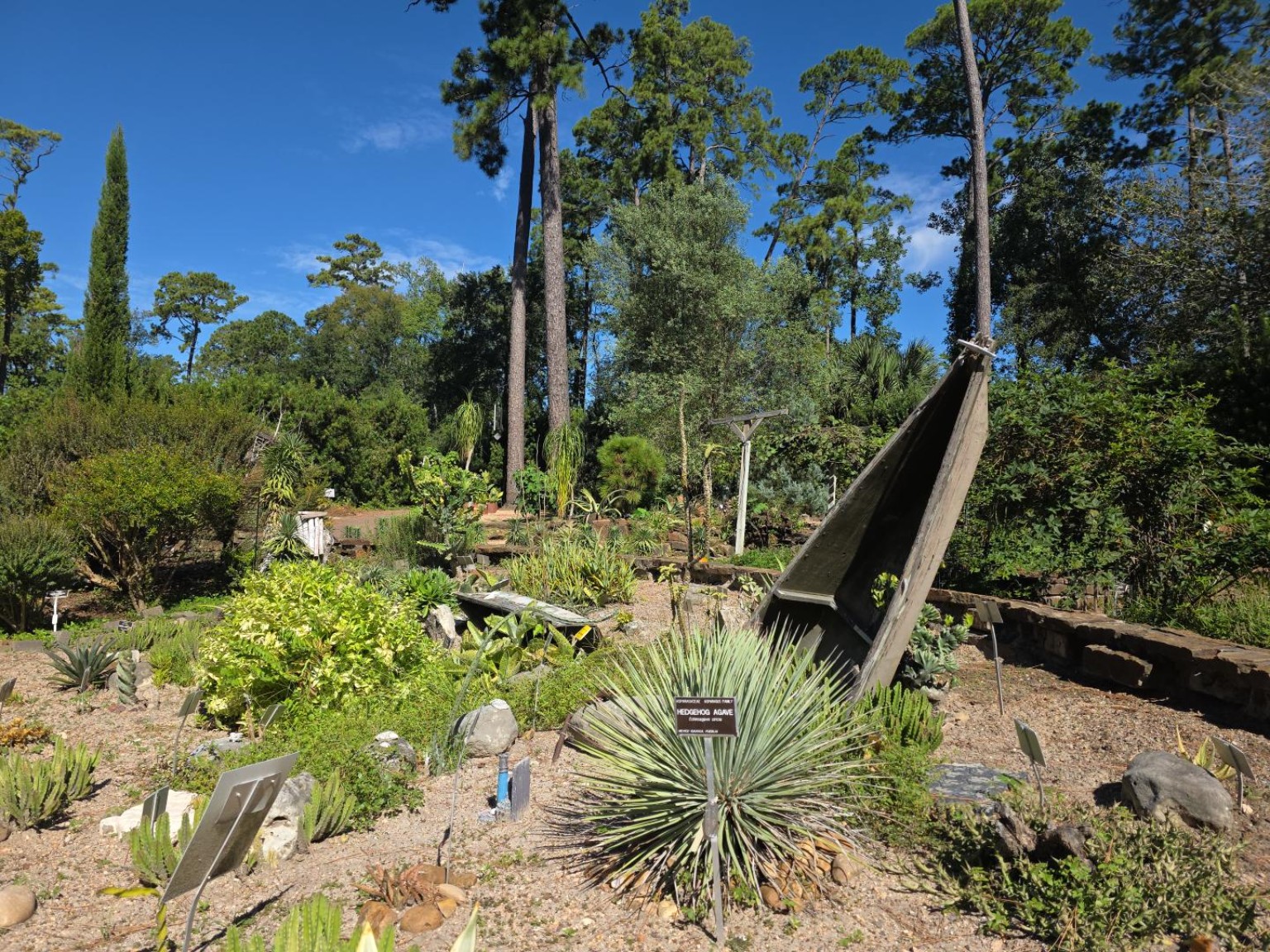
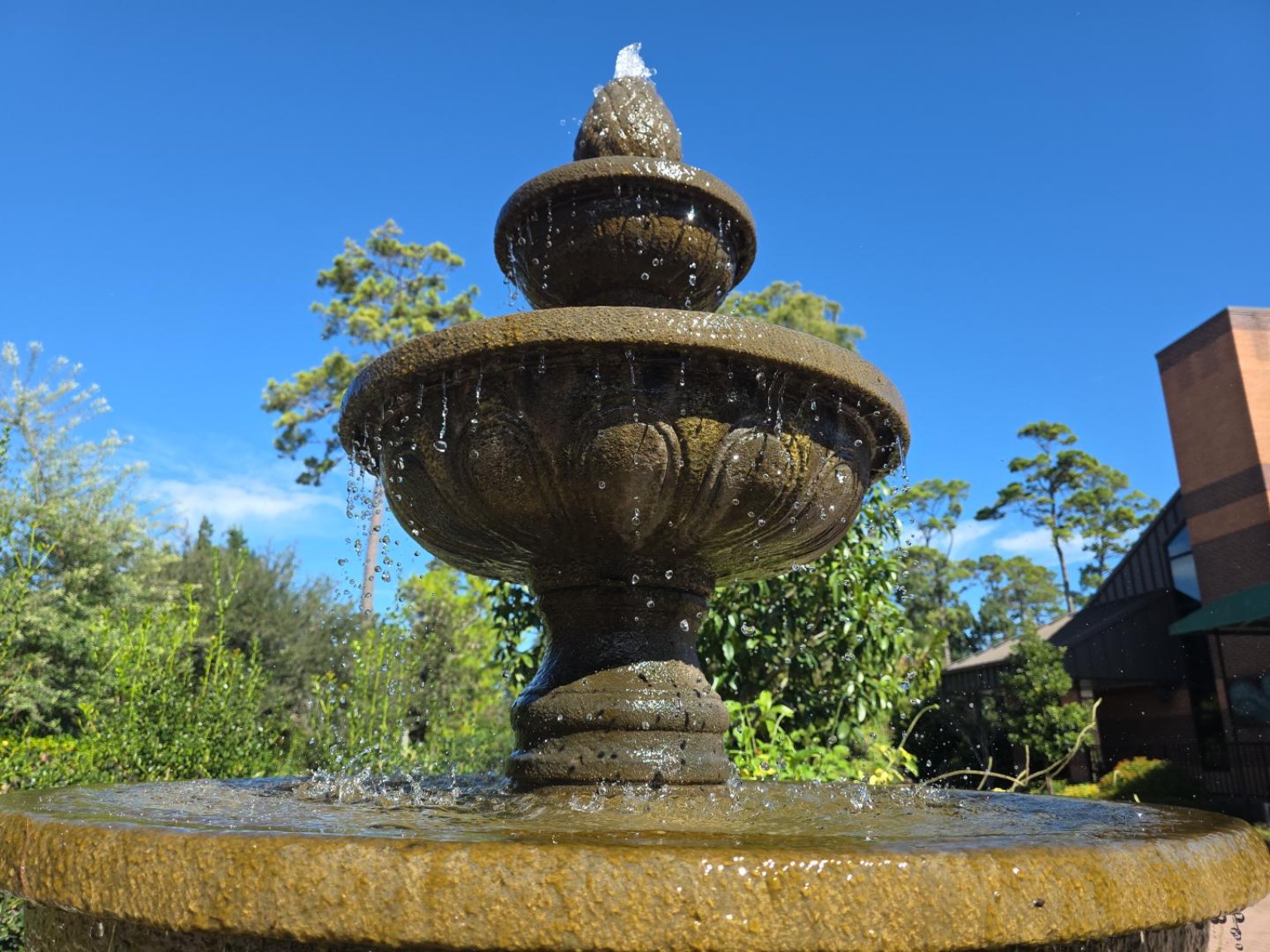
Then Kelly and I wandered through the gardens. We took pictures along the paths, stopped by the fountains, and caught a little rainbow in the spray over the pond. There was plenty to look at, and we weren’t in any hurry.
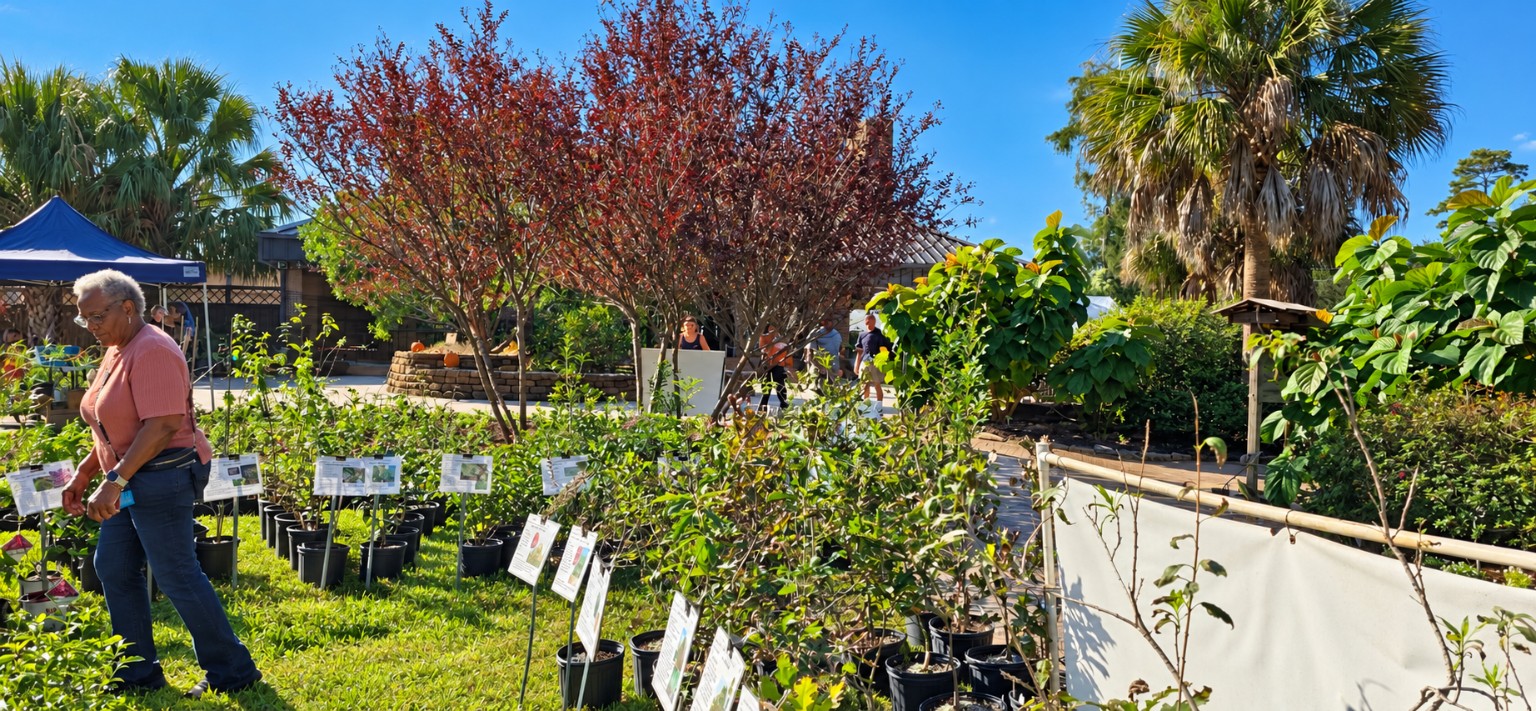
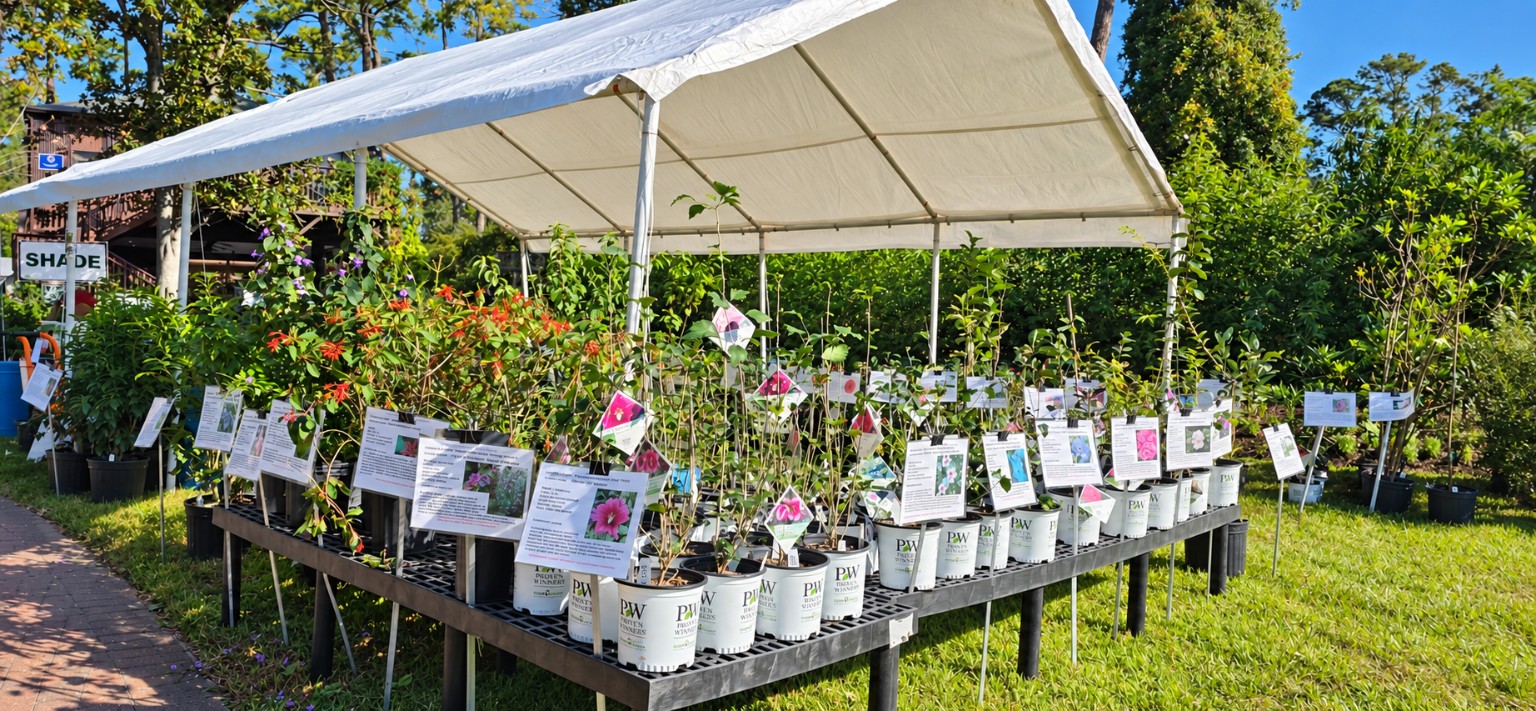
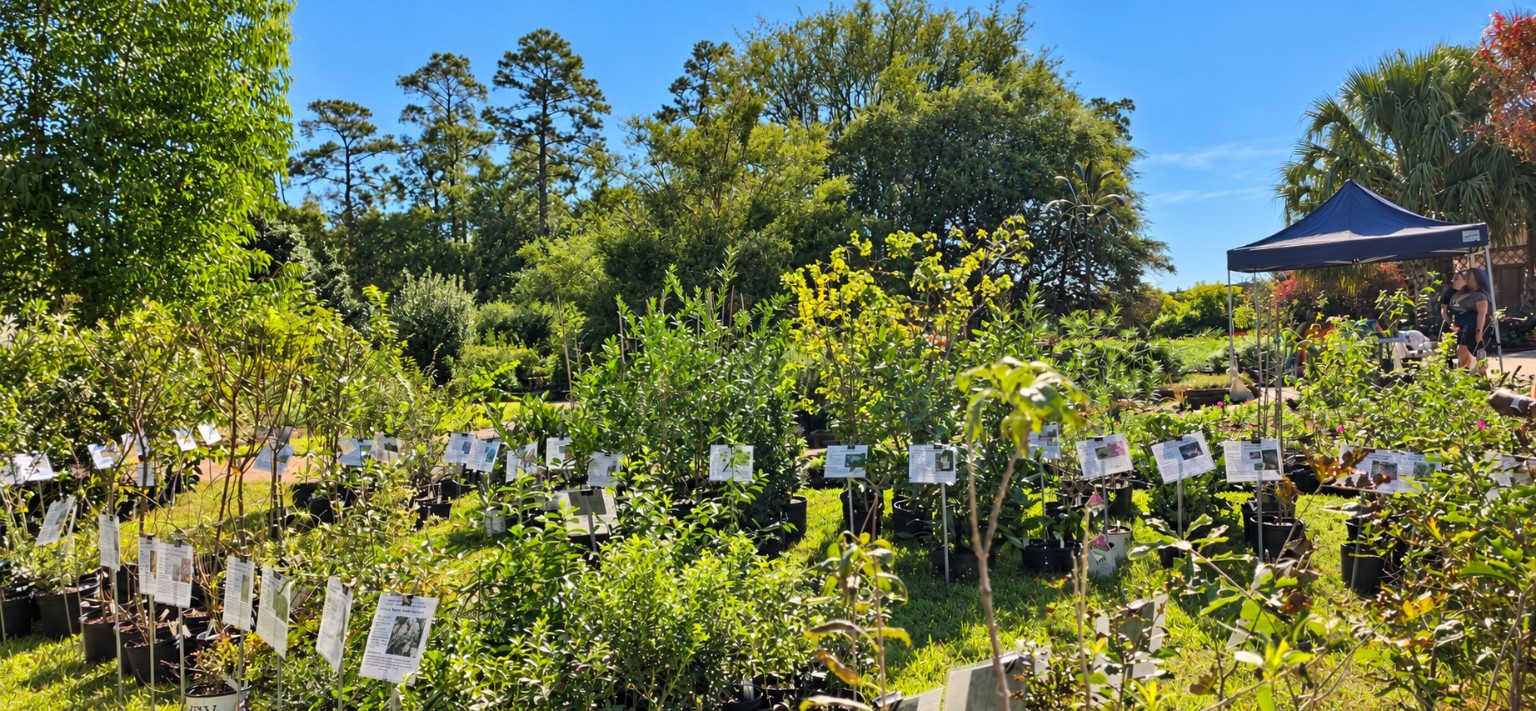
Our second visit wasn’t planned much further ahead than lunch. We’d gone out for pho and decided to stop by Mercer again. This time, we walked into a plant event, with tables full of plants and people making their way around with wagons.
We met different people from the Master Gardeners and shared what we were doing. They accepted our one-pagers too, and one woman wanted to discuss the work with her colleagues. We also had a chance to speak with someone in the office.
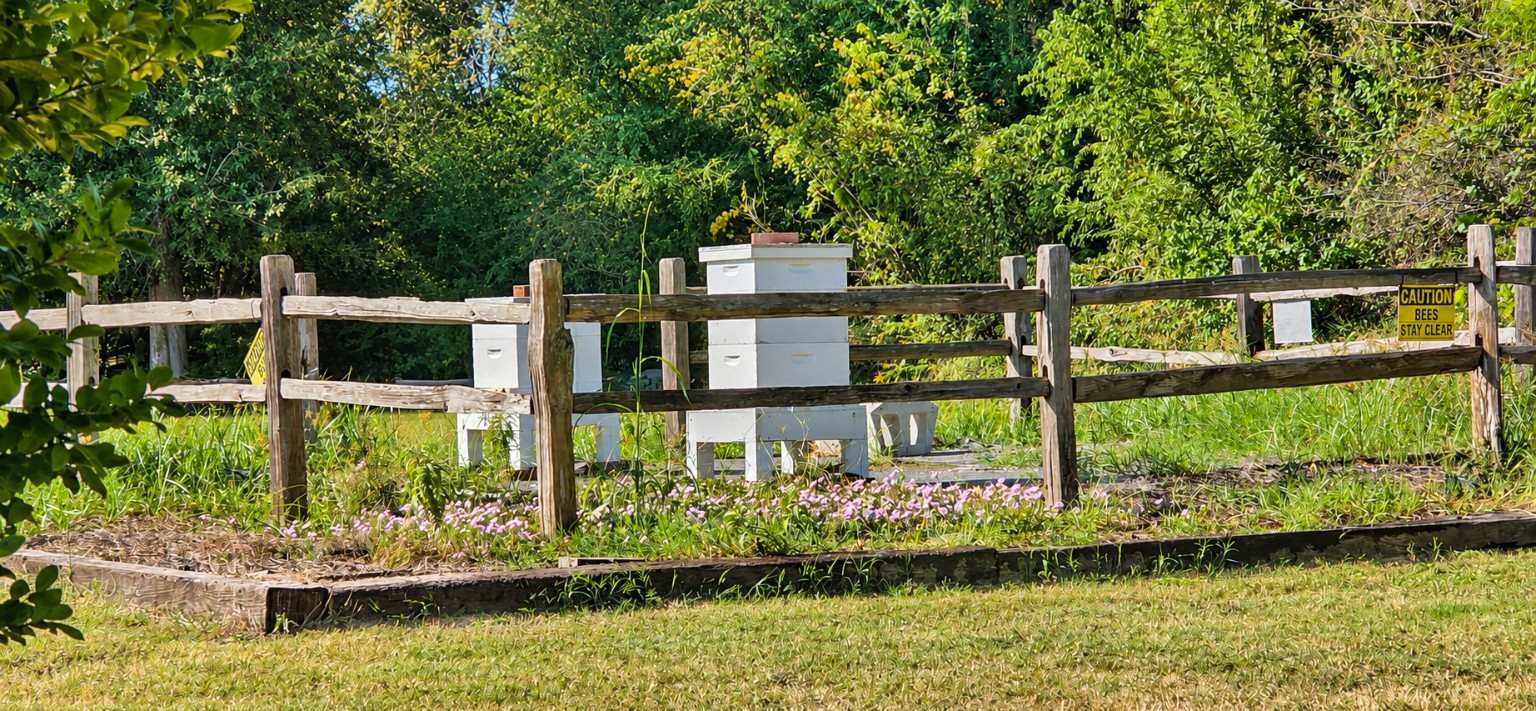
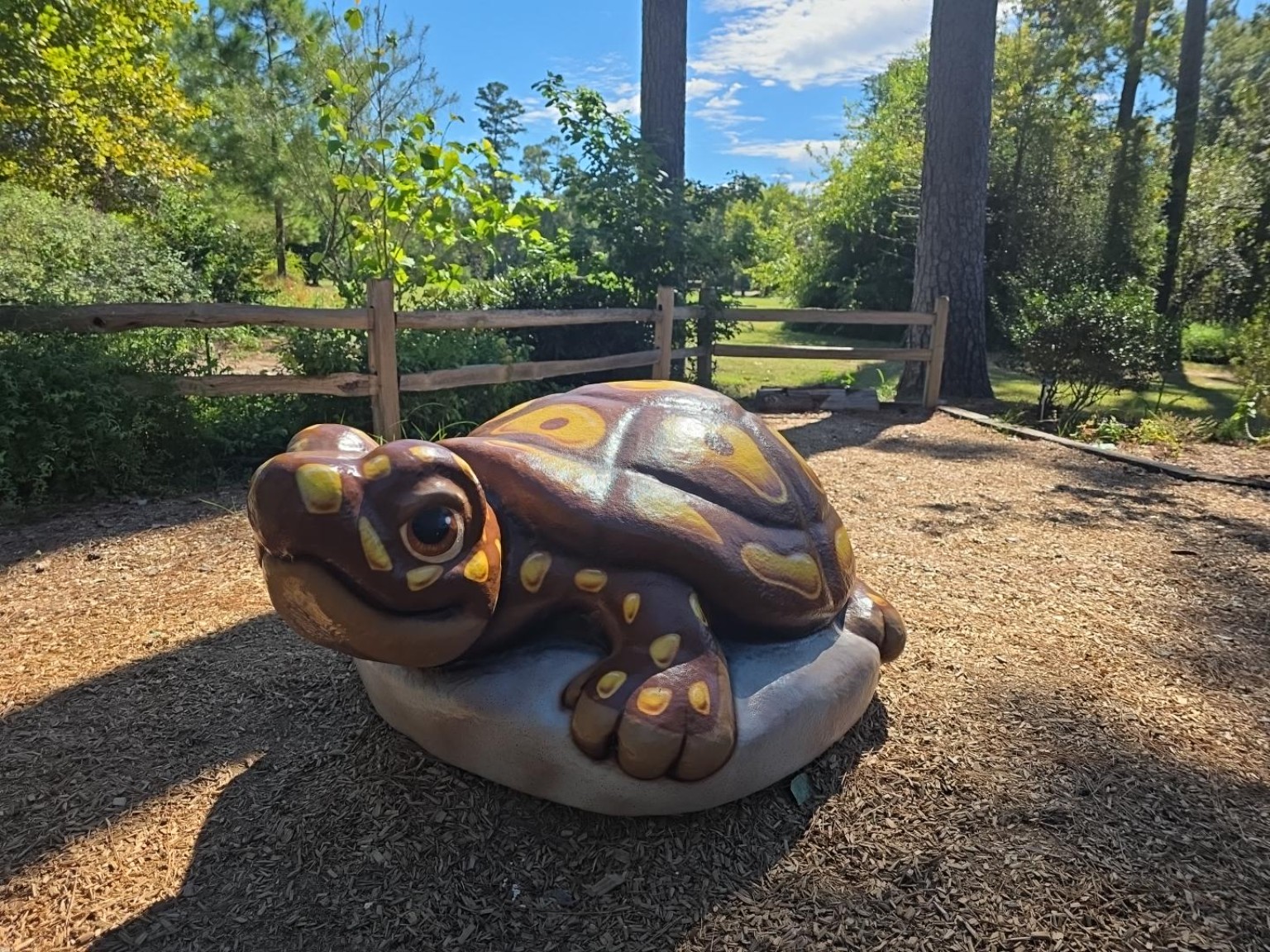
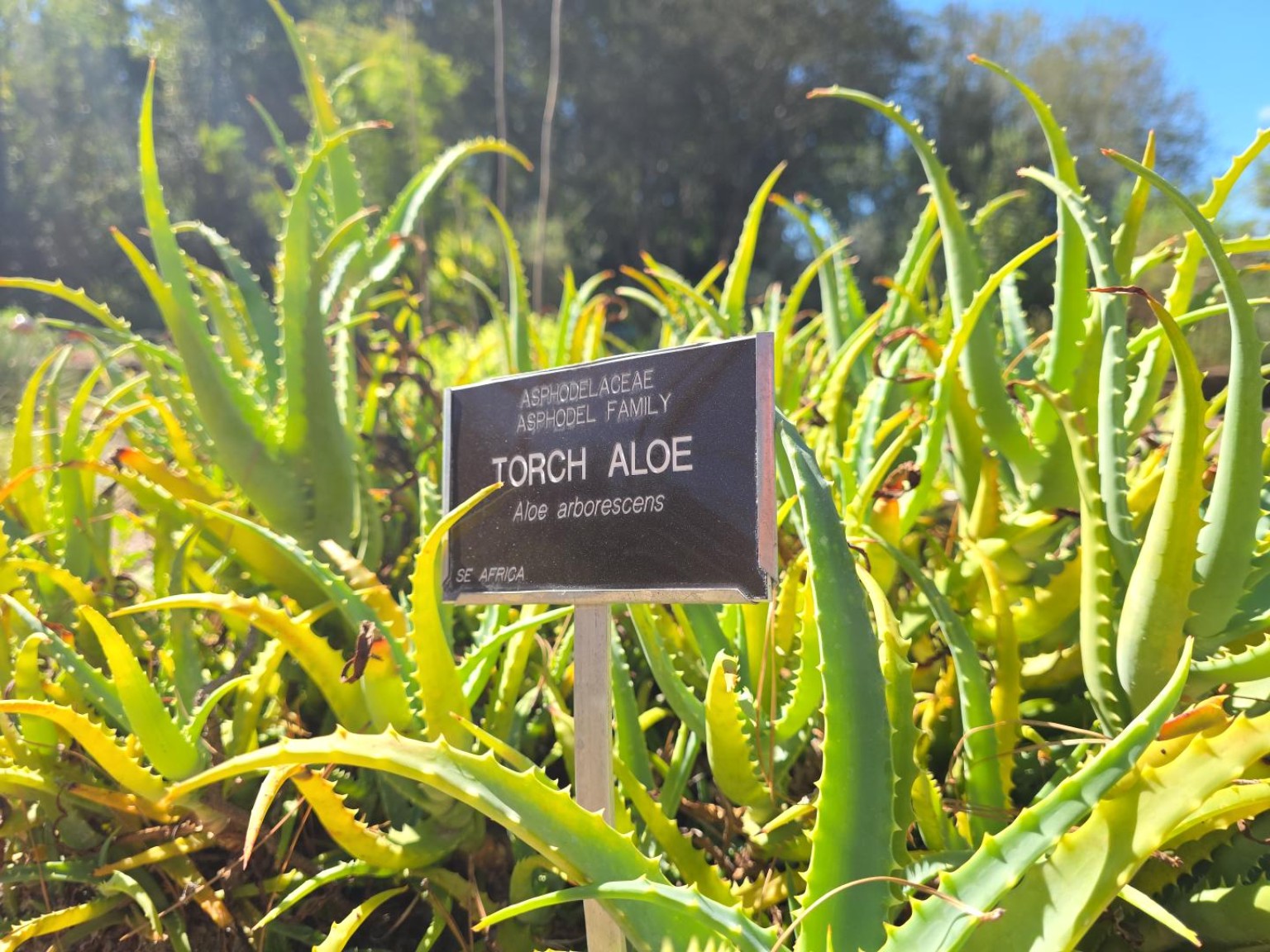
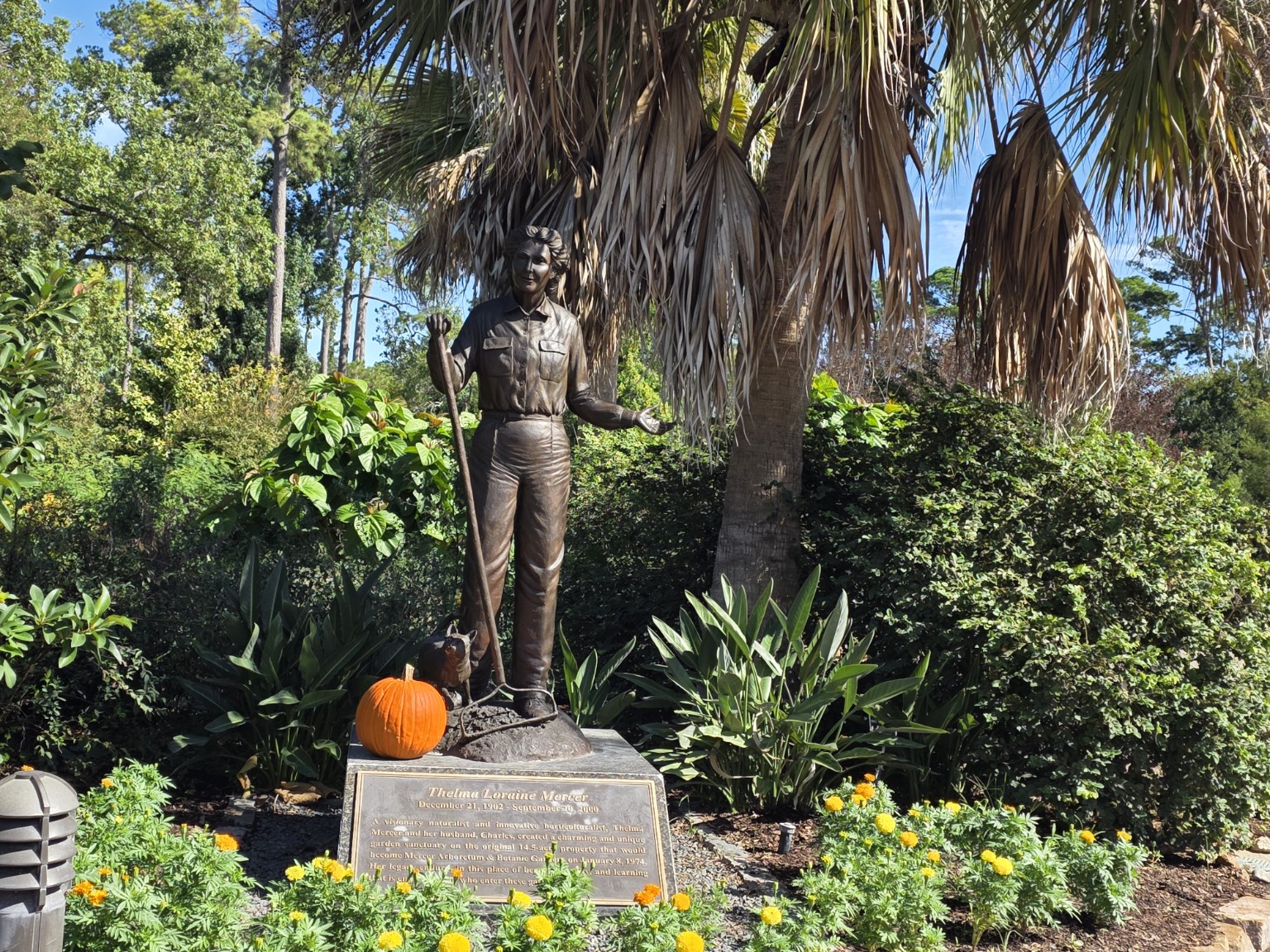
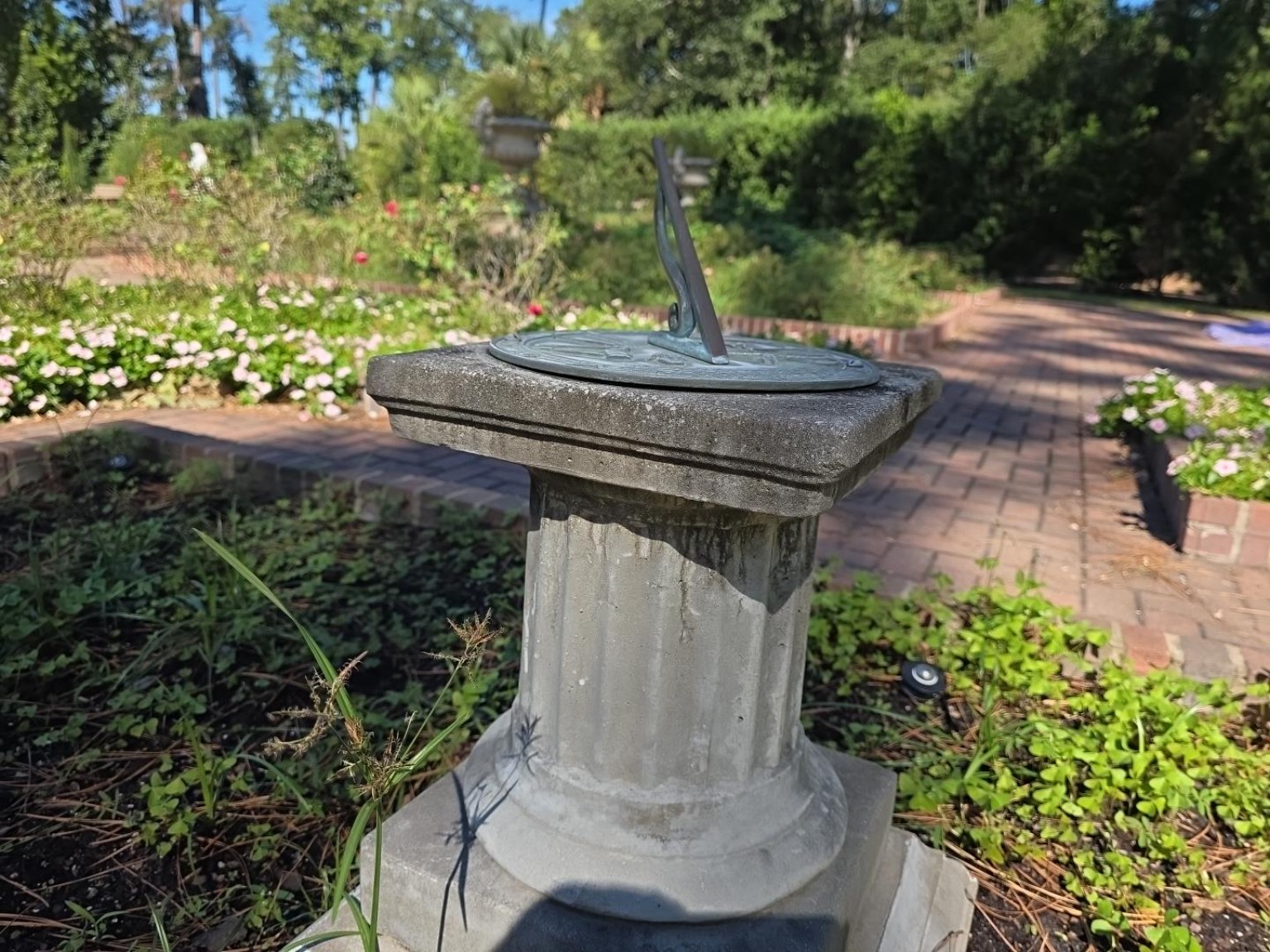
Between the conversations, we explored and took more photographs: the boardwalk across the pond, turtles lined up on a log, plants for sale, and little corners of the gardens worth stopping for. Kelly came away with wildflower seeds.
Eventually, the bright sun reminded us that we hadn’t brought sunscreen. We called it after about an hour, with more photos and more people to follow up with.
The photographs here come from both visits. Some show the busier side of Mercer, and others show why we were happy to spend a little longer walking around.
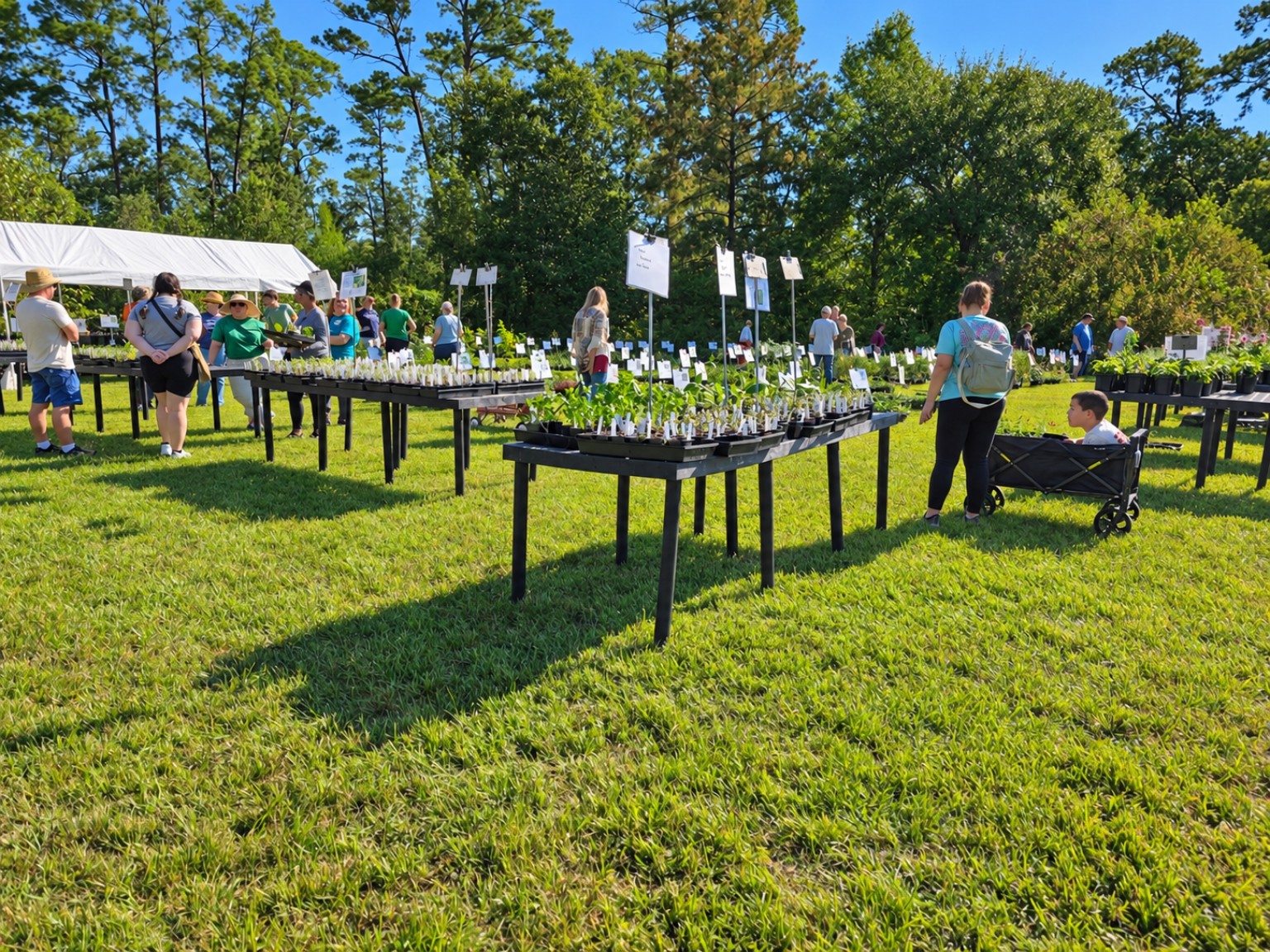
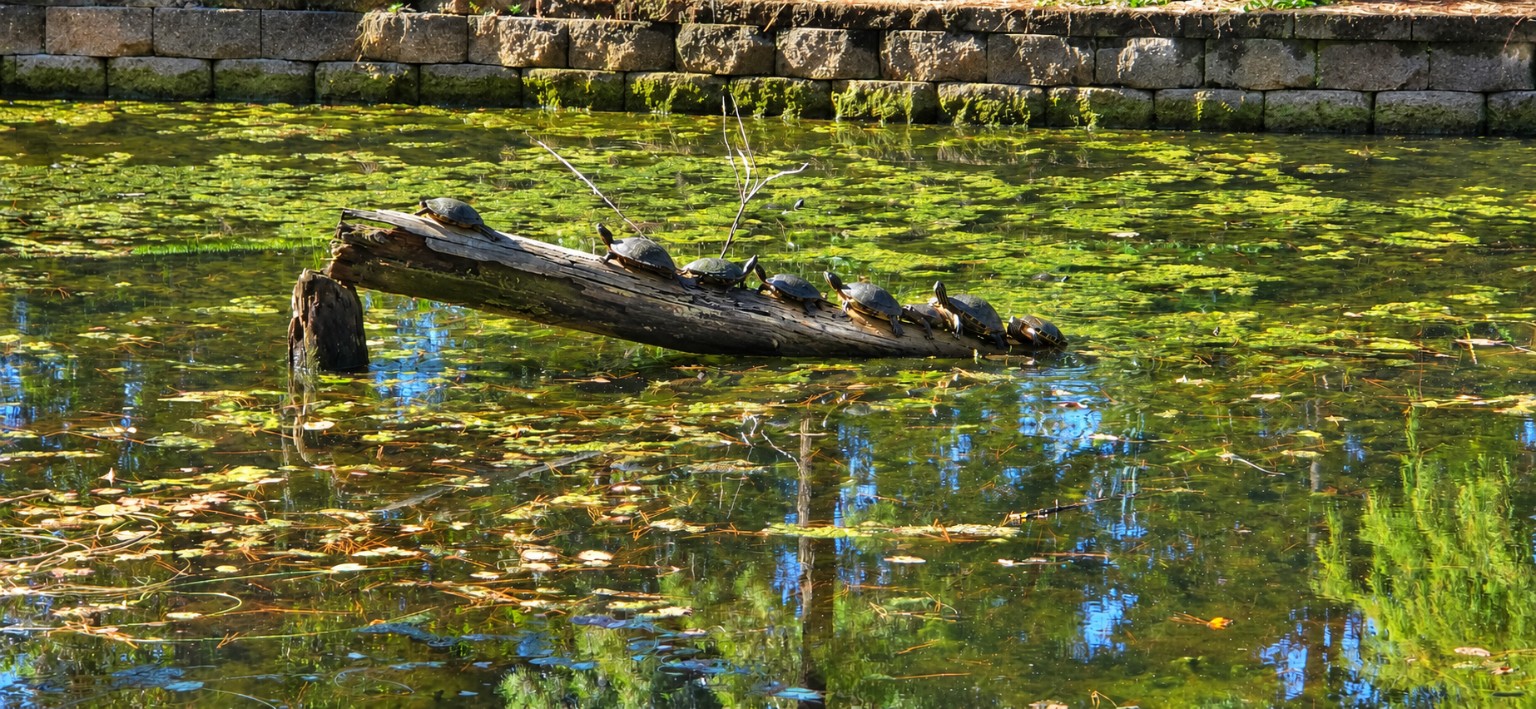
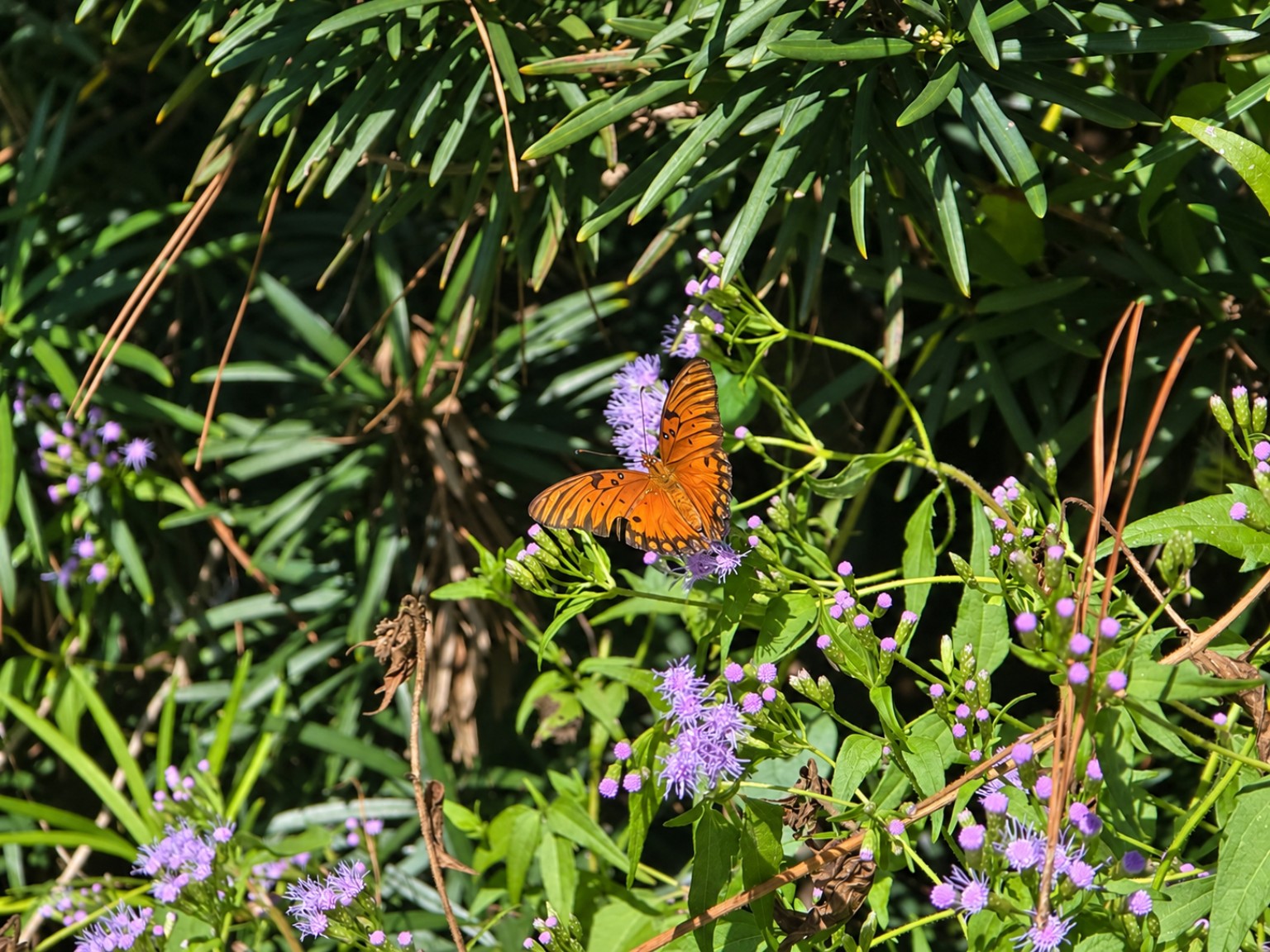
Photo gallery
Every photograph we kept from Mercer Botanic Gardens, in one place.
Open all 20 Mercer Botanic Gardens photos
Follow the question
The forest you don’t see yet
A garden visit can lead to a question that reaches beyond the garden: which young plants will become the next forest?
In a separate Big Thicket National Preserve experiment published in 2009, Siemann and colleagues followed sixteen plots for seven years, with eight fenced to exclude hogs. Woody understory diversity increased inside the exclusions, while Chinese tallow was more than twice as abundant where hogs remained. The study suggests that hogs can affect the plants that make up a future forest. It does not establish current conditions at Mercer or across Big Thicket.
Read the full forest storyAbout this evidence
Lance Rosier Unit, Big Thicket National Preserve; historical experiment at one site. Fencing may also have affected other animals. Mercer photos illustrate our visit, not the study plots or measured hog damage.
Siemann et al. (2009), Forest Ecology and Management 258: 546–553 (PDF, new tab)DOI: 10.1016/j.foreco.2009.03.056